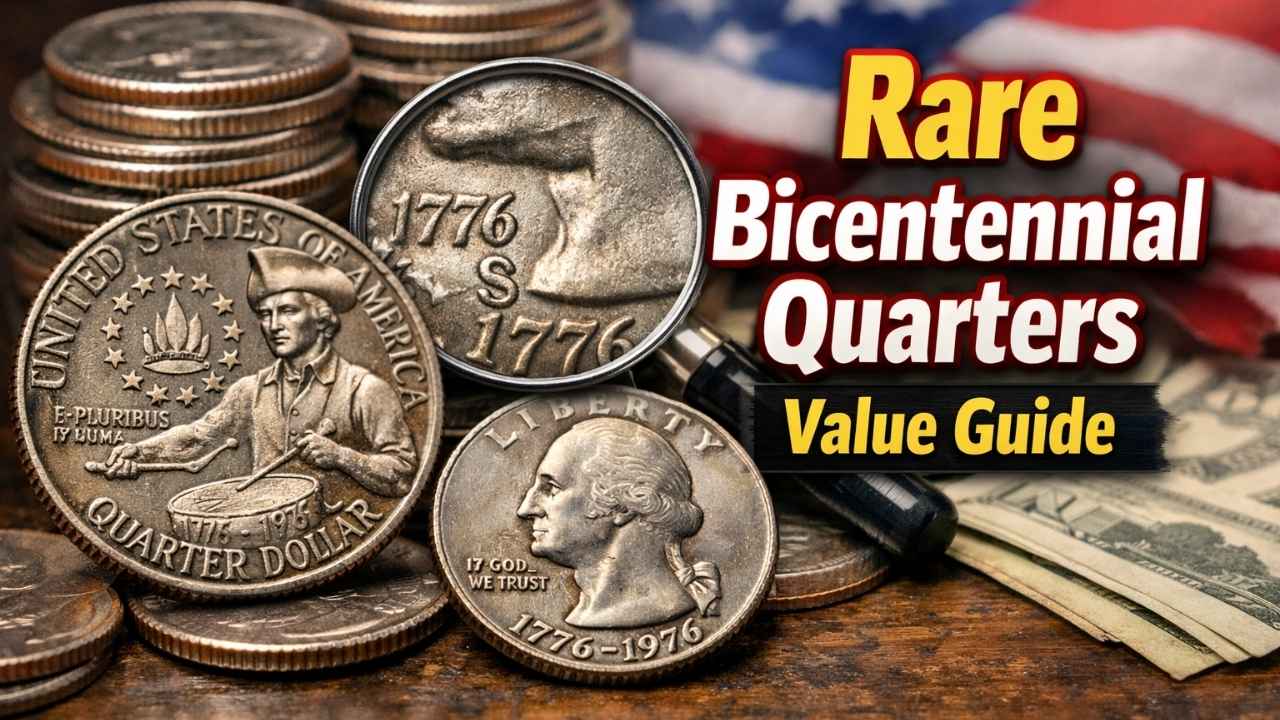
Top 9 Rare Wheat Pennies Worth Thousands: The Lincoln Wheat penny, minted from 1909 to 1958, remains one of the most iconic coins in American numismatics. With Abraham Lincoln on the obverse and two wheat stalks on the reverse, these coins were once everyday currency. Today, they are prized collectibles, with certain rare dates and varieties commanding thousands of dollars. For collectors and casual hobbyists alike, Wheat pennies represent both history and hidden treasure.
Why Wheat Pennies Can Be Valuable
The value of a Wheat penny depends on several factors, including rarity, condition, and demand. Coins with low mintages, unusual varieties, or minting errors are especially valuable. Professional grading has also transformed the market, with certified coins often selling for multiples of their ungraded counterparts. Even coins that once seemed ordinary can be worth significant sums if they fall into one of these rare categories.
The Market Ten Years Ago
In 2016, Wheat pennies were already popular among collectors, but their values were relatively modest compared to today. Common coins from the 1940s and 1950s could be purchased for a few cents to a dollar. Rare dates such as the 1909-S VDB or the 1914-D were valuable then, but prices have surged dramatically in the past decade. By 2026, the coin market has seen a significant upswing, driven by increased collector interest, online auction platforms, and professional grading services.
1. 1909-S VDB Lincoln Cent
The 1909-S VDB is one of the most famous American coins. Minted in San Francisco with designer Victor David Brenner’s initials on the reverse, it had a limited mintage of just 484,000. In circulated condition, it can be worth hundreds of dollars. In uncirculated grades, it can fetch tens of thousands. Collectors prize this coin for its rarity and historical significance, making it a cornerstone of any serious collection.
2. 1914-D Lincoln Cent
The 1914-D penny is another key rarity. With a mintage of just over one million, it is scarce in all grades. In circulated condition, it can be worth hundreds, while uncirculated examples command thousands. By 2026, demand for this coin has only grown, and auction results continue to highlight its importance in the Wheat penny series.
3. 1922 No D Lincoln Cent
The 1922 No D penny is a famous variety created when dies from the Denver Mint were improperly prepared, resulting in coins without a mint mark. This error is rare and highly sought after. In circulated condition, it can be worth hundreds, while high-grade examples are worth thousands. Collectors prize this coin for its uniqueness and historical significance.
4. 1931-S Lincoln Cent
With a mintage of just 866,000, the 1931-S penny is one of the lowest-mintage Wheat pennies. It is scarce in all grades and highly prized by collectors. In circulated condition, it can be worth hundreds, while uncirculated examples command thousands. This coin is a reminder of the economic challenges of the Great Depression, when fewer coins were needed for circulation.
5. 1943 Copper Lincoln Cent
The 1943 copper penny is one of the most famous error coins in American history. During World War II, pennies were struck in steel to conserve copper for the war effort. A few copper blanks were mistakenly used, creating this rare variety. Only a handful are known to exist, and they are worth tens of thousands to hundreds of thousands of dollars. This coin is a true numismatic treasure.
6. 1955 Doubled Die Lincoln Cent
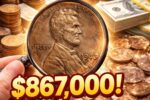
The 1955 doubled die penny is perhaps the most famous doubled die coin. Its dramatic doubling on the obverse makes it instantly recognizable. In circulated condition, it can be worth hundreds, while uncirculated examples command thousands. Collectors prize this coin for its visual appeal and rarity, making it one of the most sought-after Wheat pennies.
7. 1944 Steel Lincoln Cent
The 1944 steel penny is another famous error coin. After the war, pennies returned to copper, but a few steel blanks were mistakenly used. These coins are extremely rare and valuable, worth thousands of dollars in all grades. Collectors prize them for their uniqueness and historical significance.
8. 1936 Doubled Die Lincoln Cent
The 1936 doubled die penny is a rare variety with noticeable doubling on the obverse. In circulated condition, it can be worth hundreds, while uncirculated examples command thousands. Collectors prize this coin for its rarity and visual appeal, making it a favorite among error collectors.
9. 1949-S Lincoln Cent
The 1949-S penny is a scarcer date in the Wheat penny series. While not as famous as some of the other rarities, it is still highly prized by collectors. In circulated condition, it can be worth tens of dollars, while uncirculated examples command hundreds. This coin is a reminder that even less famous dates can be valuable if they are scarce and well-preserved.

The Role of Professional Grading
Professional grading has become essential in determining the value of Wheat pennies. A coin certified by a reputable grading service can be worth many times more than an ungraded example. Collectors rely on grading to ensure authenticity and establish value. High-grade coins are particularly prized, as they combine rarity with exceptional preservation.
Comparing 2016 and 2026 Values
The difference between 2016 and 2026 is striking. Ten years ago, many of these coins were recognized but not always headline-worthy. Today, they are among the most talked-about coins in numismatics. Auction results regularly feature Wheat pennies selling for impressive sums, and collectors view them as both historical artifacts and investment opportunities. The surge in values reflects broader trends in coin collecting, where rarity and condition drive demand.

Collecting for Fun and Profit
For casual collectors, Wheat pennies offer an affordable way to connect with history. Even modestly priced coins can be fascinating additions to a collection. For investors, however, the focus is on the rarest and highest-grade examples. These coins are seen as long-term assets, with values expected to remain strong. The dual appeal of fun and profit ensures that Wheat pennies will continue to attract attention.
Everyday Finds Versus Rare Treasures
It is important to note that most Wheat pennies are common and worth only face value. Millions were minted, and circulated examples are abundant. However, the possibility of finding a rare variety in pocket change or an old coin jar continues to inspire collectors. The thrill of discovery is part of the appeal, and stories of people finding valuable coins in ordinary places add to the excitement of the hobby.
The Future Outlook
Looking ahead, Wheat pennies are likely to maintain their popularity. The combination of rarity, historical significance, and collector demand creates a favorable environment for continued appreciation. While common coins will remain affordable, the rarest examples will likely see further increases in value. As coin collecting evolves, Wheat pennies will remain a cornerstone of the hobby, cherished by both casual enthusiasts and serious investors.
Conclusion
The story of Wheat pennies over the past decade highlights the dynamic nature of coin collecting. From modest values in 2016 to record-breaking prices in 2026, these coins have captured the imagination of collectors worldwide. Whether you are searching for a doubled die penny, a rare copper strike, or a low-mintage treasure, Wheat pennies offer a tangible link to history and a rewarding collecting experience. Their transformation from everyday currency to prized collectibles underscores the enduring appeal of numismatics and the timeless fascination with coins.