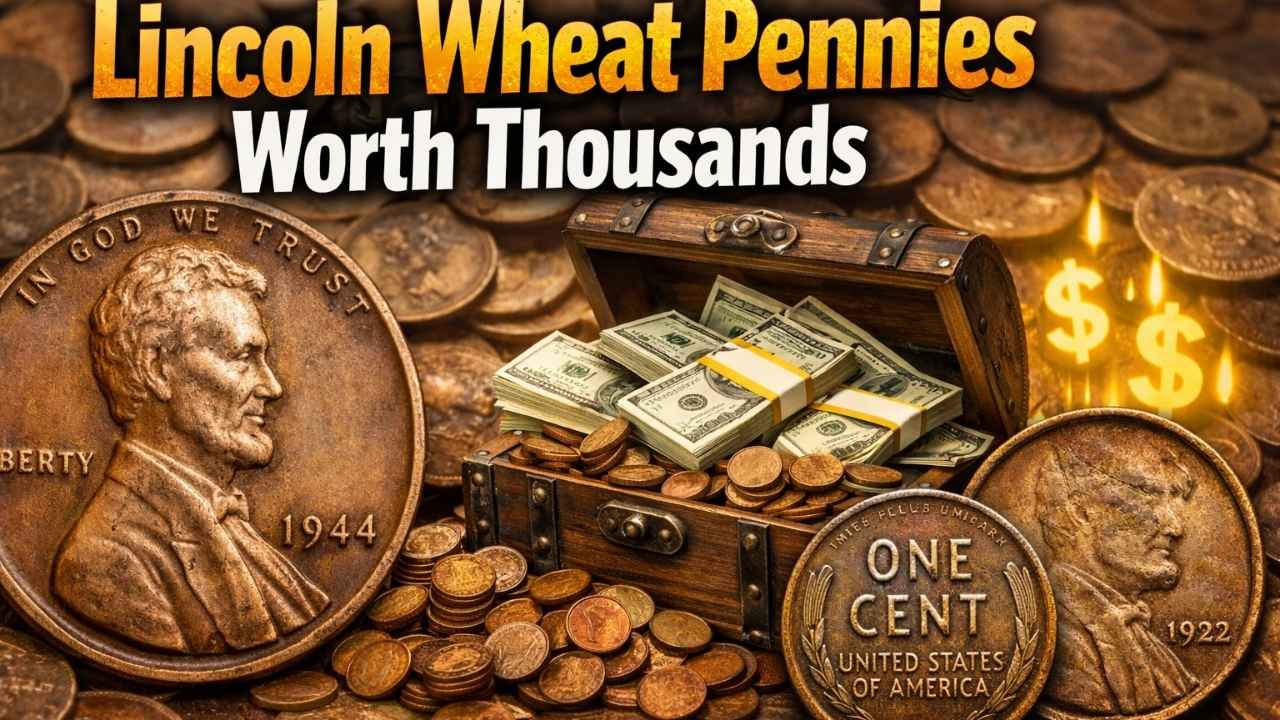
Rare Lincoln Wheat Pennies Worth Thousands: For many people, pennies are the coins that pile up in jars, disappear into couch cushions, or get handed over without a second thought. But among those ordinary copper coins are a few extraordinary pieces that have sold for thousands, and sometimes even hundreds of thousands, of dollars. The story of rare Lincoln Wheat pennies is one of history, minting mistakes, and the thrill of discovery.
The Lincoln Wheat penny, officially known as the Lincoln Wheat Penny, was first introduced in 1909 to honor the 100th anniversary of Abraham Lincoln’s birth. It was the first United States coin to feature a real historical figure rather than a symbolic image like Lady Liberty. Designed by Victor David Brenner, the coin features Lincoln’s profile on the front and two wheat stalks on the back, which is how it earned its popular nickname.
While millions of these pennies were minted between 1909 and 1958, only a small number are truly rare and valuable. Some are prized because of low mintage numbers. Others are valuable due to minting errors that were never meant to happen. In either case, collectors are willing to pay serious money for the right coin.
1909-S VDB Penny
One of the most famous and valuable Wheat pennies is the 1909-S VDB. The initials VDB stand for Victor David Brenner, the coin’s designer. When the penny was first released in 1909, Brenner’s initials were prominently displayed on the reverse side. Some critics felt the initials were too noticeable, and the U.S. Mint quickly removed them.

Only 484,000 of the 1909-S VDB pennies were minted at the San Francisco Mint before the change was made. That relatively low number makes it one of the key dates in the Wheat penny series. In good condition, this coin can easily sell for several thousand dollars. In mint condition, it has fetched tens of thousands at auction.
Collectors value this coin not only for its rarity but also for its historical significance. It represents the very beginning of the Lincoln cent series and a brief moment when the designer’s initials sparked public debate.
1914-D Penny
Another highly sought after coin is the 1914-D Lincoln Wheat penny. Minted in Denver, this coin had a relatively low production number compared to other pennies from that era. Over time, many of these coins were heavily circulated, which means finding one in good condition today is difficult.
Even worn examples can sell for over a thousand dollars, depending on their condition. Higher grade versions are worth significantly more. Because of its value, this coin is often counterfeited by altering the mint mark on more common 1914 pennies. Serious collectors always recommend having a valuable coin authenticated before buying or selling.
The 1914-D remains one of the most important coins for anyone trying to complete a full Lincoln Wheat penny collection.
1922 No D Penny
The 1922 No D penny is one of the most intriguing error coins in American history. In 1922, pennies were only minted in Denver, meaning every coin should have had a D mint mark. However, due to worn dies and minting issues, some coins were struck without a visible D.

These so called No D pennies were not intentional. They were the result of equipment problems that caused the mint mark to be weak or completely missing. Today, collectors prize these coins for their unusual appearance and the story behind them.
Depending on condition, a genuine 1922 No D penny can be worth thousands of dollars. Because this error is well known, there are many altered coins on the market. Careful examination and professional grading are essential.
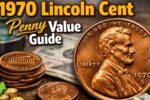
1943 Bronze Penny
During World War II, copper was needed for military equipment and ammunition. In 1943, the U.S. Mint switched from copper to zinc coated steel for penny production. These 1943 steel cents have a distinctive silver gray appearance and are common.
However, a small number of pennies were accidentally struck on leftover bronze planchets from 1942. These rare coins, known as 1943 Bronze pennies, are among the most valuable Lincoln cents ever discovered.
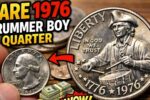
A genuine 1943 Bronze penny can sell for well over $100,000, and some have reached even higher prices at auction. The value depends heavily on condition and authenticity. Because they are so valuable, many fake versions exist, often created by copper plating a steel cent or altering the date on a 1948 penny.
Collectors can perform a simple magnet test. Steel cents are magnetic, while bronze ones are not. Even so, professional authentication is strongly recommended before celebrating any major discovery.
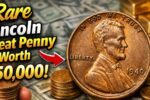
1955 Doubled Die Penny
The 1955 Doubled Die penny is one of the most dramatic and recognizable error coins in U.S. history. On this coin, the date and lettering appear clearly doubled due to a misalignment during the die creation process.
Unlike minor doubling that requires magnification to see, the doubling on the 1955 version is visible to the naked eye. Words like LIBERTY and IN GOD WE TRUST appear bold and doubled, making it easy to identify.
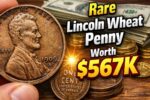
Thousands of these coins entered circulation before the mistake was caught. Today, they are highly collectible. Even circulated examples can sell for several thousand dollars, while uncirculated coins can bring much more.
The popularity of this error has made it one of the most famous coins among collectors and casual hobbyists alike.
Why Condition Matters So Much
When it comes to rare Lincoln Wheat pennies, condition can make a massive difference in value. Coins are graded on a scale that ranges from heavily worn to perfect mint state. A rare coin in poor condition might be worth a fraction of the same coin in pristine condition.
Professional grading services evaluate factors like luster, strike quality, and surface preservation. For high value coins, certification can significantly increase buyer confidence and overall selling price.
Even common Wheat pennies can gain value if they are found in exceptional condition, especially with original red coloring from the mint.
Could You Still Find One Today
It may seem unlikely, but valuable Wheat pennies are still occasionally discovered in old collections, estate sales, and even pocket change. Many people inherited coin jars or albums without realizing what might be inside.
Searching through rolls of pennies from banks is another popular hobby known as coin roll hunting. While the chances of finding a six figure coin are slim, collectors do occasionally uncover better date coins worth far more than one cent.
The key is knowledge. Understanding what to look for, checking mint marks, and examining dates carefully can make all the difference.
A Small Coin with a Big Legacy
The Lincoln Wheat penny is more than just spare change. It represents over a century of American history, artistry, and economic evolution. From the controversial VDB initials to wartime metal changes and striking errors, these coins tell fascinating stories.
For collectors, the appeal lies not only in potential profit but also in the thrill of the hunt. A single penny, overlooked by most, could be worth thousands to the right buyer.
So before tossing your loose change into a jar, take a closer look. That ordinary copper coin might just be one of the most valuable treasures ever discovered.