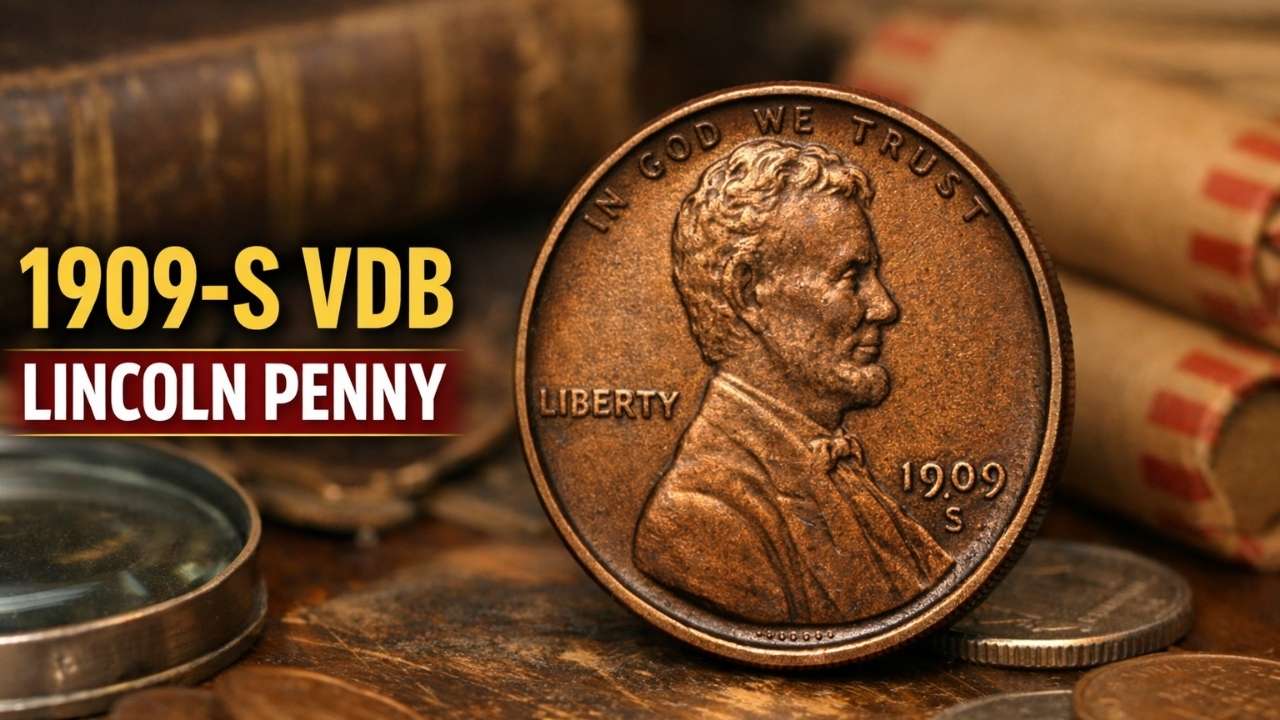
Rare Bicentennial Quarters Value Guide: The Bicentennial Quarter is one of the most recognizable coins in American numismatic history. Released in 1975 and 1976 to celebrate the 200th anniversary of the signing of the Declaration of Independence, these quarters feature a unique reverse design that sets them apart from standard Washington quarters. Instead of the familiar eagle, the reverse shows a colonial drummer with a torch surrounded by thirteen stars. The obverse retains George Washington’s portrait but includes the dual date 1776–1976. This combination of patriotic symbolism and distinctive artistry has made the Bicentennial Quarter a favorite among collectors and casual enthusiasts alike.
While millions of these coins were minted and circulated widely, certain varieties, errors, and silver-clad issues have become highly sought after. Understanding the market prices, the role of condition, and the significance of minting errors is essential for anyone interested in collecting or investing in Bicentennial Quarters.

Historical Background
The United States Mint began planning for the Bicentennial coinage in the early 1970s. Congress authorized special designs for the quarter, half dollar, and dollar to commemorate the nation’s 200th birthday. A national competition was held to select the designs, and Jack L. Ahr’s depiction of a colonial drummer was chosen for the quarter. Production began in 1975, and no quarters dated 1975 were ever issued. Instead, all quarters minted in 1975 and 1976 bear the dual date 1776–1976.
These coins were struck at the Philadelphia, Denver, and San Francisco mints. The San Francisco Mint produced proof versions, including silver-clad proofs, which are particularly prized today. The widespread distribution of Bicentennial Quarters ensured that nearly every American encountered them in circulation, making them a cultural touchstone as well as a numismatic artifact.
Market Prices and Collectibility
Most Bicentennial Quarters found in circulation today are worth only their face value of twenty-five cents. This is because hundreds of millions were produced, and the majority remain common. However, certain factors can elevate their value significantly.
Uncirculated examples, especially those graded by professional services, can command higher prices. A Bicentennial Quarter in pristine mint state condition may sell for several dollars, depending on the grade. Proof versions, particularly silver-clad proofs from San Francisco, are more valuable. These coins were sold to collectors in special sets and were never intended for circulation. Their mirror-like surfaces and sharp details make them attractive additions to collections.
High-grade examples certified by grading services such as PCGS or NGC can reach impressive prices. For instance, a Bicentennial Quarter graded MS67 or higher may sell for hundreds of dollars. The rarity of such high-grade coins stems from the difficulty of preserving circulation strikes without blemishes.
Silver Bicentennial Quarters
One of the most intriguing aspects of Bicentennial Quarters is the existence of silver-clad versions. These coins were struck in 40 percent silver and issued in collector sets by the San Francisco Mint. They were never released into general circulation, making them scarcer than their copper-nickel counterparts.
Silver Bicentennial Quarters are easily distinguished by their weight and composition. Collectors often seek them for both their numismatic and bullion value. Depending on silver prices, these coins may carry a premium beyond their collectible worth. A typical silver proof quarter might sell for ten to twenty dollars, while exceptionally high-grade examples can fetch much more.
Error Varieties
Errors and varieties add another layer of interest to Bicentennial Quarters. Minting mistakes can create rare and valuable coins that collectors eagerly pursue. Some of the most notable errors include double strikes, off-center strikes, and die cracks. These anomalies result from mechanical issues during the minting process and are relatively rare.
Another category of collectible variety is the difference in strike quality between business strikes and proofs. Proof coins exhibit sharper details and mirror-like fields, while business strikes often show weaker details. Collectors sometimes seek coins with unusual die characteristics, such as doubled dies, which can significantly increase value.
Error Bicentennial Quarters can range in value from a few dollars to several hundred, depending on the nature and severity of the error. The rarity of the mistake and the condition of the coin are critical factors in determining market price.

Grading and Condition
Grading plays a crucial role in the value of Bicentennial Quarters. Coins are graded on a scale from 1 to 70, with higher numbers indicating better condition. Circulated coins typically fall in the range of grades 1 to 58, while uncirculated coins range from 60 to 70. Proof coins are graded separately, with emphasis on strike quality and surface preservation.
A Bicentennial Quarter in average circulated condition is worth only face value. However, coins graded MS65 or higher can command significant premiums. Proof coins graded PR69 or PR70 are especially valuable, as they represent near-perfect examples of the mint’s craftsmanship.

Collectors should be aware that cleaning or polishing coins can reduce their value. Original surfaces, even with minor blemishes, are generally preferred over artificially altered coins.
Investment Potential
While Bicentennial Quarters are not typically considered high-value investment coins, certain varieties and high-grade examples offer potential for appreciation. Silver-clad proofs, rare errors, and coins in exceptional condition are more likely to increase in value over time. The widespread recognition of the Bicentennial design ensures continued interest among collectors, which supports market demand.
Investors should focus on acquiring coins with certified grades from reputable services. This provides assurance of authenticity and condition, which are critical for long-term value. Diversifying with other commemorative or rare coins may also enhance investment portfolios.
Collecting Strategies
For those interested in collecting Bicentennial Quarters, several strategies can be effective. Beginners may start by assembling a set of circulation strikes from Philadelphia and Denver. Adding proof versions from San Francisco creates a more complete collection. Enthusiasts may pursue high-grade examples or seek out error varieties to add uniqueness.

Another approach is to collect Bicentennial coinage as a set, including the half dollar and dollar. These coins share the dual date and commemorative theme, making them a cohesive collection. Silver-clad versions of all three denominations are available and can be an attractive goal for collectors.
Cultural Significance
Beyond their numismatic value, Bicentennial Quarters hold cultural significance. They represent a moment in American history when the nation celebrated its 200th anniversary with pride and unity. The design reflects themes of independence, patriotism, and heritage. For many Americans, these coins evoke memories of the Bicentennial celebrations, parades, and festivities of 1976.

The widespread circulation of Bicentennial Quarters ensured that nearly every citizen encountered them, making them a shared experience across generations. Their enduring popularity demonstrates the power of coinage to capture national identity and historical milestones.
Conclusion
The Bicentennial Quarter remains one of the most beloved commemorative coins in United States history. While most examples are common and worth only face value, certain varieties, silver issues, and error coins can command significant premiums. Understanding the factors that influence value, including condition, rarity, and composition, is essential for collectors and investors alike.
Whether pursued for historical interest, investment potential, or simple enjoyment, Bicentennial Quarters offer a fascinating glimpse into America’s past. Their unique design and enduring appeal ensure that they will remain a cherished part of numismatic collections for generations to come.